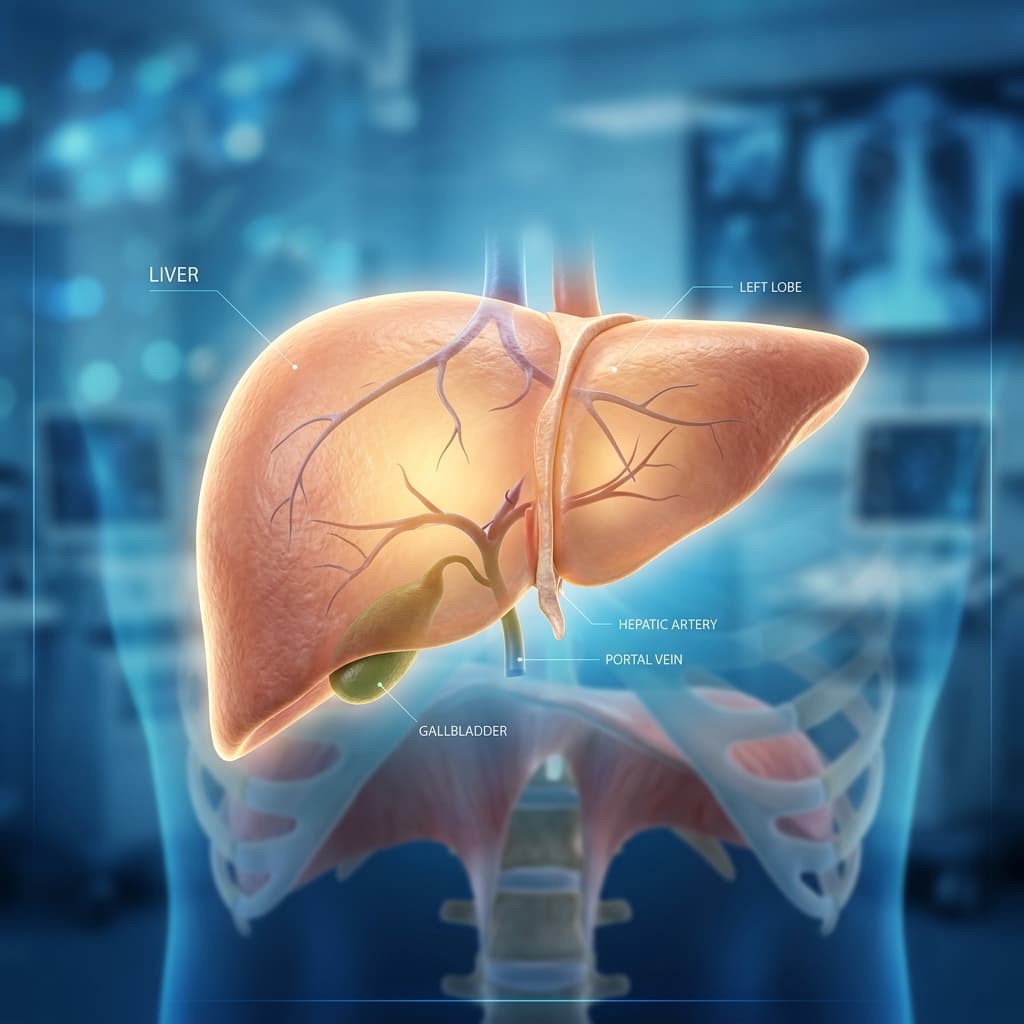
The pancreas is a vital, leaf-shaped organ located deep in the upper abdomen, tucked behind your stomach. It performs a double duty in the human body: producing digestive enzymes that break down proteins, fats, and carbohydrates (exocrine function), and secreting hormones like insulin that regulate blood sugar levels (endocrine function). Under normal conditions, these powerful digestive enzymes are manufactured in an inactive state and only activate once they travel through the pancreatic duct and enter the small intestine. However, when these enzymes activate prematurely while still inside the pancreas, they begin to digest the organ's own tissues. This painful, damaging process leads to inflammation known as pancreatitis. In Kanpur, pancreatitis is a serious gastrointestinal condition frequently seen by specialists, often triggered by untreated gallstones or chronic alcohol consumption. Because a severe attack can quickly lead to systemic complications, understanding the causes and warning signs is critical. If you are seeking specialized care, finding expert pancreatitis treatment in Kanpur under a qualified gastroenterologist in Kanpur is vital. In this detailed patient education guide, we will contrast acute and chronic pancreatitis, explore their symptoms and causes, outline treatment options, and discuss prevention strategies.
Acute vs. Chronic Pancreatitis: Understanding the Difference
Pancreatitis presents in two distinct clinical forms, which differ in their onset, duration, and long-term impact on pancreatic tissue:
1. Acute Pancreatitis
An acute attack is a sudden onset of inflammation that lasts for a short period, typically resolving within a week with proper medical management. While most cases are mild and result in complete recovery, about 20% of patients experience a severe attack. Severe acute pancreatitis can lead to tissue death (necrosis), fluid accumulation (pseudocysts), or systemic organ failure (such as respiratory or kidney failure), making it a medical emergency.
2. Chronic Pancreatitis
This is a progressive, long-term inflammatory disease that causes permanent, irreversible structural damage to the pancreas. Over years of chronic inflammation, healthy pancreatic tissue is replaced by dense scar tissue (fibrosis). As a result, the pancreas loses its ability to produce digestive enzymes and insulin, leading to severe malabsorption (inability to digest food) and diabetes.
Common Causes of Pancreatitis
A variety of factors can trigger the premature activation of pancreatic enzymes. The most common causes include:
- Gallstones (Biliary Pancreatitis): The leading cause of acute pancreatitis. A gallstone slips out of the gallbladder and blocks the common junction where the bile duct and the pancreatic duct empty into the small intestine (Ampulla of Vater). This blockage stops the flow of pancreatic juice, forcing enzymes to back up and activate inside the pancreas.
- Chronic Alcohol Consumption: The most common cause of chronic pancreatitis and a frequent trigger for acute attacks. Alcohol directly damages pancreatic cells and causes the small protein channels in the pancreas to plug up, trapping enzymes.
- High Triglycerides (Hypertriglyceridemia): Extremely high levels of fats (triglycerides) in the blood (typically above 1000 mg/dL) can lead to toxic fatty acid releases that damage pancreatic blood vessels, triggering inflammation.
- Smoking: Research shows that smoking is a significant, independent risk factor for developing chronic pancreatitis and accelerates its progression.
- Medications & Trauma: Certain prescription drugs (such as azathioprine or particular diuretics) or physical trauma to the abdomen (from an accident or complex surgery) can injure the pancreas.
- Autoimmune Issues: Autoimmune pancreatitis is a form where the body's immune cells target the pancreas, causing chronic swelling.
Recognizing the Symptoms of Pancreatitis
The symptoms of pancreatitis vary depending on whether the condition is acute or chronic:
Symptoms of Acute Pancreatitis
- Severe Abdominal Pain: A sudden, excruciating pain in the upper middle or upper left quadrant of the abdomen. The pain typically shoots (radiates) straight through to the back.
- Worsening with Movement: The pain is constant and often worsens after eating, especially fatty foods, or when lying flat on your back. Leaning forward or sitting up may offer mild relief.
- Nausea and Vomiting: Constant nausea and retching that does not relieve the pain.
- Systemic Signs: High fever, rapid heart rate (tachycardia), rapid breathing, and a swollen, tender abdomen.
Symptoms of Chronic Pancreatitis
- Chronic Abdominal Pain: A persistent, burning, or dull ache in the upper abdomen that may radiate to the back. The pain can be constant or occur in cycles, sometimes lasting for days.
- Unexplained Weight Loss: Occurs because the damaged pancreas no longer produces enough lipase and amylase enzymes to digest food, leading to malnutrition despite normal eating habits.
- Steatorrhea (Oily Stools): Stools become pale, bulky, oily, extremely foul-smelling, and greasy, often floating in the toilet bowl. This is a classic sign of fat malabsorption.
- New-Onset Diabetes: As the insulin-producing cells (islets of Langerhans) are destroyed by scarring, patients develop high blood sugar levels that require insulin therapy.
When Urgent Emergency Care Is Required
Pancreatitis can escalate rapidly. Seek emergency medical attention immediately if you experience:
- Excruciating upper abdominal pain that makes it impossible to sit still or find a comfortable position.
- A high fever accompanied by severe vomiting and inability to keep fluids down.
- Difficulty breathing, shortness of breath, or rapid breathing.
- Signs of shock, such as dizziness, confusion, cold clammy skin, or low blood pressure.
How Gastroenterologists Evaluate and Diagnose Pancreatitis
A quick and accurate diagnosis is critical for managing pancreatitis. A specialist will recommend:
- Blood Enzyme Tests: Measuring amylase and lipase levels. In acute pancreatitis, lipase levels are typically elevated to at least three times the normal limit.
- Abdominal CT Scan (with Contrast): The gold standard imaging test to visualize the pancreas, detect swelling, locate fluid collections, and identify areas of tissue damage (necrosis).
- MRCP (MRI): Detailed imaging used to check for gallstones, pancreatic duct stones, or structural narrowing of the ducts.
Treatment of Pancreatitis
Treatment plans are tailored to the type of pancreatitis and the severity of the condition:
1. Management of Acute Pancreatitis (Hospital Care)
Almost all patients with acute pancreatitis require hospitalization for supportive care to let the pancreas rest:
- Bowel Rest & Hydration: Patients are kept nil-by-mouth (NPO) initially to stop enzyme secretion, and given aggressive intravenous (IV) fluids to maintain blood flow to the pancreas.
- Pain Control: Strong IV pain medications are administered to manage severe discomfort.
- Nutritional Support: Once pain and nausea resolve, a low-fat diet is reintroduced. For prolonged cases, feeding tubes may be used.
- Addressing the Trigger: If a gallstone is blocking the duct, an emergency ERCP procedure is performed to extract the stone. Gallbladder surgery is then scheduled before discharge.
2. Management of Chronic Pancreatitis (Long-Term Care)
Focuses on pain relief, managing digestive failures, and preventing complications:
- Pancreatic Enzyme Replacement Therapy (PERT): Taking prescription enzyme capsules (containing lipase, amylase, and protease) with every meal and snack to digest food and stop oily stools.
- Pain Management: Utilizing a step-wise approach, combining safe medications, nerve blocks, or endoscopic procedures to clear pancreatic duct stones.
- Diabetes Control: Monitoring blood sugar levels and managing new-onset diabetes with insulin and dietary changes.
Role of Dr. Vikas Sengar: Pancreatitis Specialist in Kanpur
Dealing with pancreatitis requires expert clinical management to prevent chronic disease or acute complications. Dr. Vikas Sengar is a highly trusted gastroenterologist providing advanced pancreatitis care at Medi Help Hospital, Sarvodaya Nagar, Kanpur.
With a DM in Gastroenterology from SGPGI Lucknow and over 10 years of clinical experience, Dr. Sengar specializes in managing both acute biliary pancreatitis and chronic calcific pancreatitis. From performing emergency interventional ERCPs to extract pancreatic or common bile duct stones to designing precise Pancreatic Enzyme Replacement Therapy (PERT) regimens and chronic pain plans, Dr. Sengar ensures patients receive evidence-based, compassionate care, helping them rebuild their digestive health and prevent recurrent attacks.
Frequently Asked Questions (FAQs)
Q1: What is the most common cause of acute pancreatitis?
The most common cause of acute pancreatitis is gallstones. When a gallstone travels out of the gallbladder and becomes lodged in the common biliary-pancreatic channel, it blocks the flow of pancreatic juice, forcing enzymes to back up and self-digest the pancreas.
Q2: Can alcohol trigger a pancreatitis attack after a single heavy session?
Yes. While chronic pancreatitis develops after years of heavy drinking, a single episode of binge drinking can trigger an acute pancreatitis attack in susceptible individuals. The risk is even higher in patients who have silent gallstones or high blood triglyceride levels.
Q3: Why does pancreatitis cause back pain?
The pancreas is located deep in the abdomen, lying directly in front of the spine and retroperitoneal nerves. When the pancreas becomes inflamed and swells, it puts physical pressure on these nearby nerves, causing the pain to shoot straight through the body into the back.
Q4: What are the long-term effects of chronic pancreatitis?
Long-term effects include severe malabsorption (leading to malnutrition, vitamin deficiencies, and weight loss due to lack of enzymes) and pancreatic diabetes (caused by the destruction of insulin-producing cells). Chronic scarring also increases the risk of pancreatic cancer, requiring regular screening.
Q5: What foods are recommended during recovery from pancreatitis?
During recovery, focus on an easily digestible, strictly low-fat diet. Recommended foods include lean proteins (skinless chicken, tofu, boiled egg whites), whole grains (oatmeal, brown rice), fresh fruits (bananas, apples), and cooked vegetables. Avoid fatty meats, fried foods, butter, full-fat dairy, and alcohol completely.
Conclusion & Consultation
Pancreatitis is a serious clinical condition that requires professional medical evaluation and custom care. Masking the pain with self-prescribed painkillers can worsen pancreatic damage. Book a consultation with Dr. Vikas Sengar for evaluation of digestive and liver-related concerns at Medi Help Hospital in Sarvodaya Nagar, Kanpur. To schedule your visit, call +91 98398 00199 or visit our online appointment booking portal.
Medical Disclaimer
This article is for informational purposes only and should not replace professional medical advice. Always consult with qualified healthcare providers for diagnosis and treatment recommendations specific to your condition.
Need Professional Advice?
If you have concerns about the topics discussed in this article, our experienced medical team is here to help with personalized care.
Key Takeaways
- Pancreatitis is the inflammation of the pancreas, which can present as a sudden acute attack or progress to a chronic condition.
- The primary trigger is autodigestion, where digestive enzymes activate prematurely inside the pancreas instead of the intestine.
- Key causes include gallstones blocking the pancreatic duct, chronic alcohol consumption, high triglycerides, and smoking.
- Treatment range from supportive hospital care for acute cases to pancreatic enzyme replacement therapy (PERT) for chronic damage.