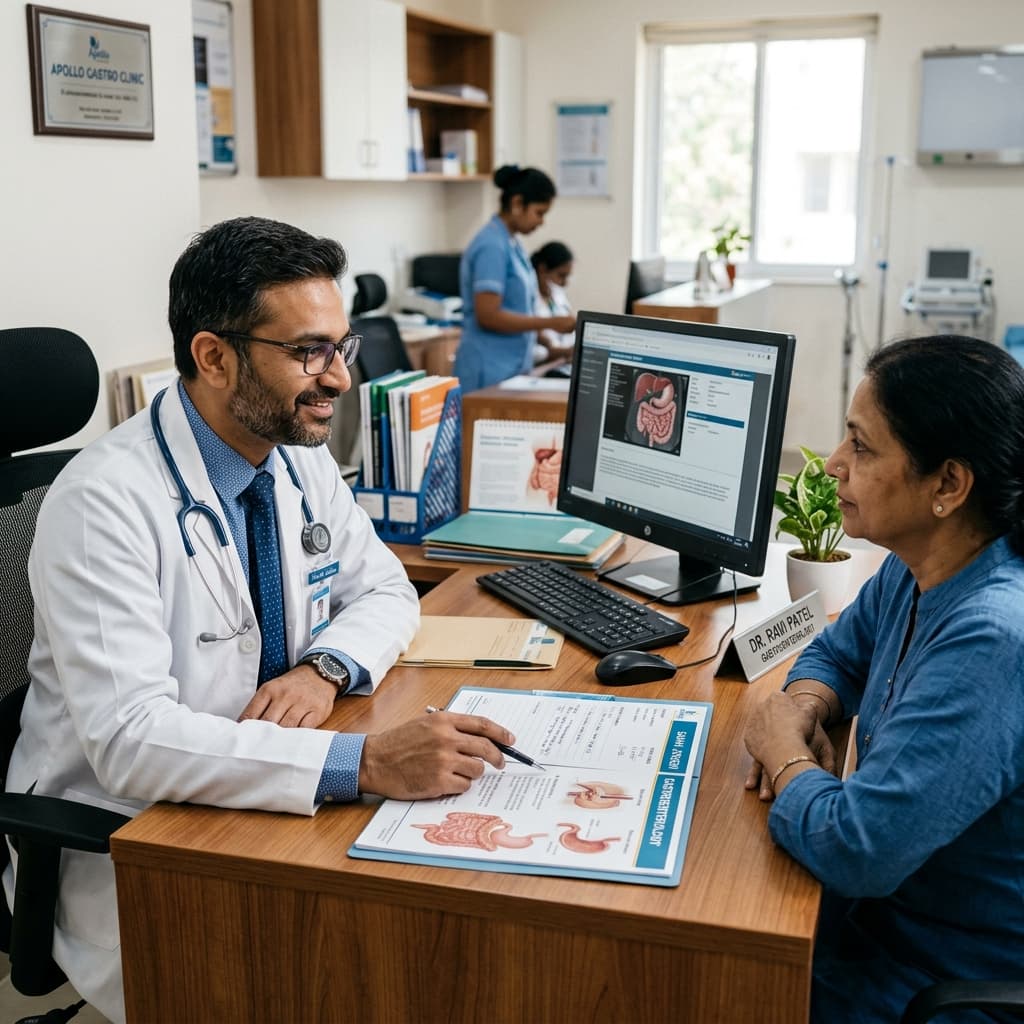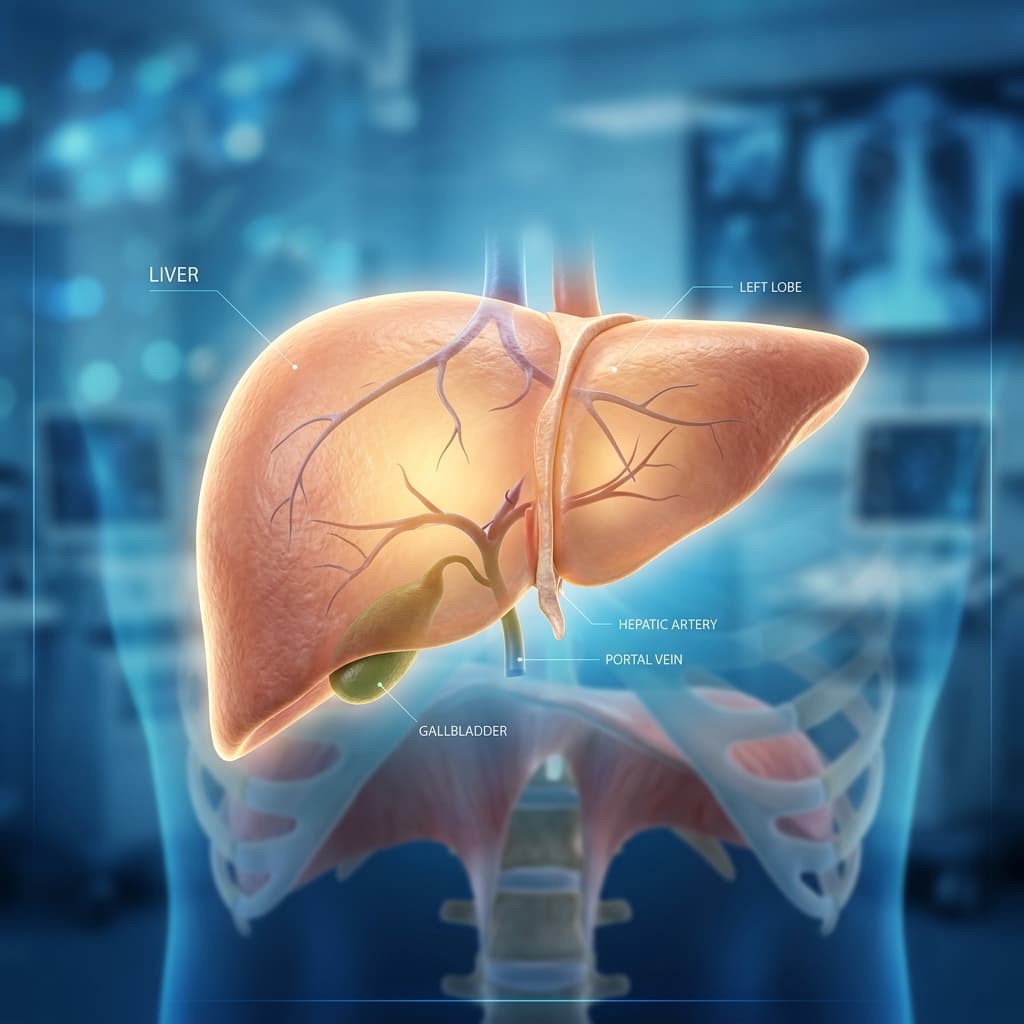
Digestive discomfort is something almost everyone experiences at some point. However, when symptoms like persistent acid reflux, difficulty swallowing, upper abdominal pain, or nausea become chronic, standard medications may not provide the answers. In such cases, a doctor may recommend an upper gastrointestinal (GI) endoscopy. If you or a loved one is experiencing ongoing upper digestive concerns, finding expert care for an endoscopy in Kanpur is a vital step toward an accurate diagnosis and effective management. In this detailed, medically reviewed patient guide, we will explain what an upper GI endoscopy is, why it is performed, what conditions it can identify, and what to expect during the procedure, preparation, and recovery under the care of a leading gastroenterologist in Kanpur.
What Is an Upper GI Endoscopy?
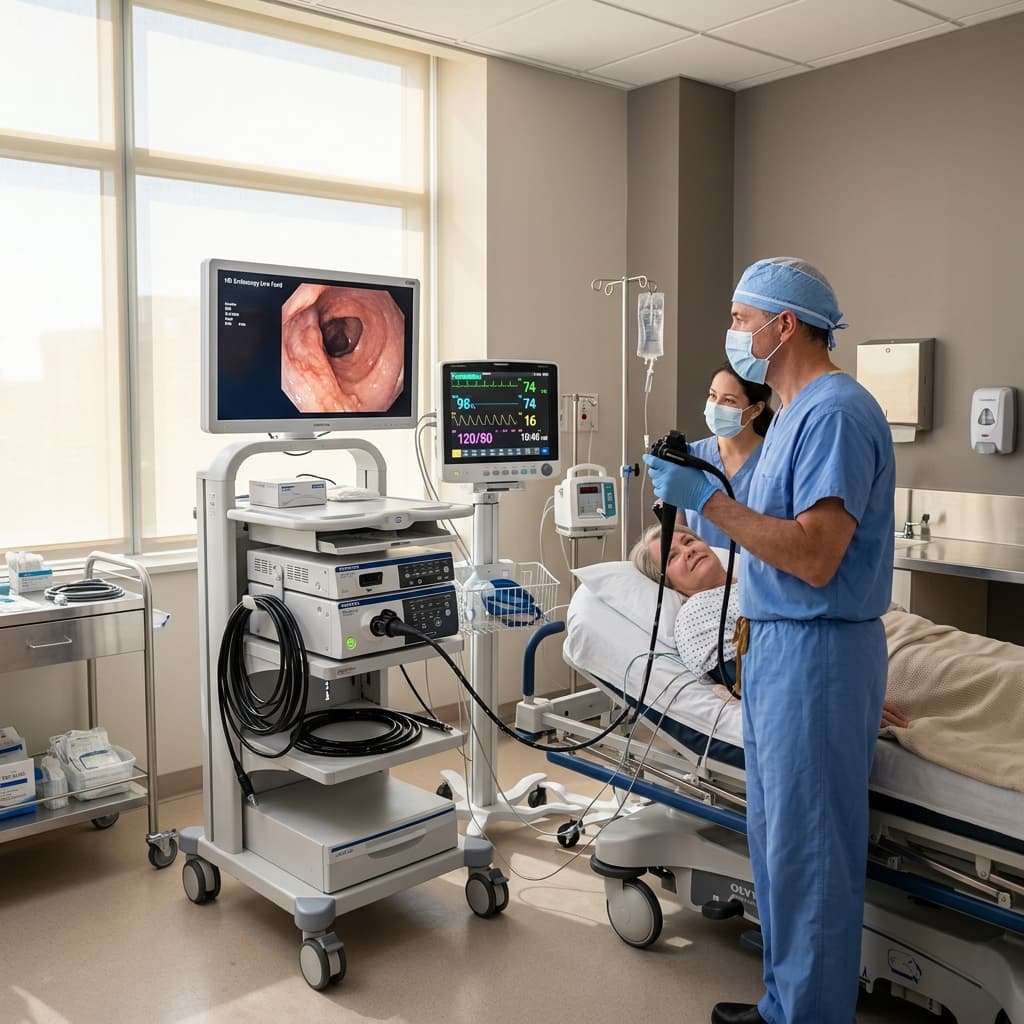
An upper GI endoscopy, also known as a gastroscopy or esophagogastroduodenoscopy (EGD), is a minimally invasive medical procedure used to visually examine the lining of the upper digestive tract. The procedure is performed using an endoscope—a thin, flexible, lighted tube equipped with a high-definition camera at its tip. The endoscope is gently guided through the mouth and down the esophagus, stomach, and the duodenum (the first part of the small intestine), transmitting real-time video images to a monitor in the procedure room. This allows the specialist to inspect the tissue lining in detail and identify structural changes, inflammation, bleeding, or growths.
Which Organs Does an Endoscopy Examine?
The upper GI endoscopy focuses on the first three sections of the digestive system:
- Esophagus (Food Pipe): The muscular tube that carries food from your mouth to your stomach. The doctor checks for signs of inflammation, narrowing, or acid reflux damage.
- Stomach: The muscular sac that mixes food with acid and enzymes. The scope inspects the stomach walls for inflammation, sores (ulcers), or abnormal tissue.
- Duodenum: The first part of the small intestine, which connects to the stomach. The doctor examines this area to check for ulcers, inflammation, or signs of malabsorption.
Why Do Doctors Recommend an Upper GI Endoscopy?
An endoscopy is a highly versatile tool used for both diagnostic and therapeutic purposes. While an endoscopy is a common recommendation, it is never implied that the procedure is always necessary for a particular symptom; rather, it is considered based on the persistence, severity, and clinical history of the patient. Key reasons for the recommendation include:
Investigating Symptoms
If you are experiencing ongoing upper digestive issues, an endoscopy can help identify the cause. These symptoms include:
- Difficulty swallowing (dysphagia) or painful swallowing.
- Persistent, worsening heartburn or acid reflux that does not respond to medication.
- Unexplained, chronic upper abdominal pain or cramping.
- Persistent nausea and vomiting.
- Unexplained weight loss or anemia.
Diagnosing Conditions
The high-definition images allow gastroenterologists to confirm or rule out specific medical conditions, such as inflammation, peptic ulcer disease, or celiac disease.
Treatment and Intervention
Specialized tools can be passed through channels in the endoscope, allowing the doctor to perform immediate treatments during the same session. This includes:
- Stopping active bleeding from ulcers or enlarged veins (varices).
- Removing small polyps or foreign objects.
- Widening (dilating) a narrowed section of the esophagus.
- Placing feeding tubes.
What Conditions Can an Upper GI Endoscopy Detect?
An upper GI endoscopy is highly accurate and can help identify several conditions:
- Gastroesophageal Reflux Disease (GERD): Chronic acid reflux can cause inflammation of the esophagus (esophagitis). Over time, this can lead to scarring, esophageal strictures, or Barrett's Esophagus (a condition where the cell lining changes, increasing the risk of esophageal cancer).
- Gastritis and Duodenitis: Inflammation of the lining of the stomach (gastritis) or duodenum (duodenitis), which can be acute or chronic.
- Peptic Ulcer Disease: Open sores that develop on the inside lining of the stomach (gastric ulcers) or the upper part of the small intestine (duodenal ulcers).
- Celiac Disease: An autoimmune reaction to gluten that damages the lining of the small intestine. An endoscopy allows the doctor to take small tissue samples to confirm the diagnosis.
- Hiatal Hernia: A condition where the upper part of the stomach pushes up through the diaphragm into the chest cavity.
- Strictures and Narrowing: Narrowing of the food pipe caused by chronic acid reflux scars, inflammation, or tumors.
- Precancerous Lesions and Tumors: Early detection of growths, polyps, or cancers of the esophagus, stomach, or duodenum.
Understanding the Role of a Biopsy
During an endoscopy, if the doctor sees abnormal tissue, inflammation, or an ulcer, they will pass a tiny instrument through the endoscope to take a small tissue sample (biopsy). Many patients worry when they hear the word "biopsy," assuming it only checks for cancer. In gastroenterology, biopsies are very common and are performed for many benign reasons, including:
- Checking for Helicobacter pylori (H. pylori) infection—a common bacterial infection that causes gastritis and peptic ulcers.
- Diagnosing celiac disease by evaluating the microscopic structure of the small intestine lining.
- Determining the type and severity of inflammation.
Taking a biopsy is completely painless, as the lining of the digestive tract does not have pain receptors that can feel the pinch of the biopsy tool.
How to Prepare for an Upper GI Endoscopy
To ensure a safe and successful examination, proper preparation is essential. The primary goal is to ensure your upper digestive tract is completely empty, allowing for clear visualization and preventing complications:
- Fasting Guidelines: You must not eat or drink anything for at least 6 to 8 hours before the procedure. An empty stomach ensures that the endoscope can pass safely and reduces the risk of vomiting or inhaling stomach contents into the lungs (aspiration) under sedation.
- Medication Instructions: Discuss all medications you take with your gastroenterologist. You may need to temporarily adjust or stop taking blood thinners (like aspirin, warfarin, or clopidogrel) or certain diabetic medications. Disclaimer: Readers must strictly follow their healthcare provider's specific preparation and medication instructions.
- Arranging Transport: If you receive conscious sedation, you will not be allowed to drive or travel alone after the procedure. Arrange for a family member or friend to accompany you home.
What Happens During the Endoscopy Procedure?
An endoscopy is a quick and routine outpatient procedure performed in a dedicated endoscopy suite at Medi Help Hospital:
- Anesthesia and Comfort: You will lie on your left side. The healthcare team will spray a local anesthetic in your mouth to numb your throat, which helps prevent gagging. An intravenous (IV) line will be placed in your arm to administer a mild sedative (conscious sedation) to help you relax, feel sleepy, and remain comfortable.
- Inserting the Endoscope: The doctor will insert the thin, flexible endoscope through your mouth. You will be asked to swallow once to help guide the tube into the esophagus. The scope does not interfere with your breathing, and oxygen is monitored throughout the procedure.
- Examination and Air Insufflation: The doctor passes air through the endoscope to inflate the esophagus, stomach, and duodenum, making the lining easier to examine. If necessary, biopsies or therapeutic treatments are performed.
- Duration: The entire endoscopy procedure typically takes only 5 to 10 minutes.
What to Expect During Endoscopy Recovery?
After the procedure, you will rest in a recovery room for 1 to 2 hours while the effects of the sedative wear off.
- Immediate Post-Care: You may have a mild sore throat, hoarseness, or feel slightly bloated due to the air introduced during the procedure. These symptoms are temporary and usually resolve within 24 hours.
- Dietary Intake: You can generally begin drinking liquids and return to a normal, light diet once the throat numbness wears off, usually within an hour. Avoid heavy or spicy foods immediately after the test.
- Activity Restrictions: If you received sedation, you must not drive, operate machinery, or return to work for the rest of the day. Rest at home and avoid strenuous activities.
Possible Risks and Complications of an Endoscopy
An upper GI endoscopy is a very safe and routine procedure, with a low rate of complications. However, because it is invasive, it carries some rare risks:
- Bleeding: Minor bleeding can occur at the site of a biopsy or polyp removal. It is usually minimal and stops on its own, but can occasionally be treated endoscopically.
- Perforation: A rare but serious complication where the endoscope makes a small tear or hole in the lining of the esophagus, stomach, or duodenum. This occurs in less than 1 in 10,000 cases and may require surgical repair.
- Adverse Reaction to Sedation: Temporary breathing difficulties or heart rate changes, which are closely monitored and managed by the medical team.
When to Seek Urgent Medical Attention
Contact your gastroenterologist or visit the nearest emergency department immediately if you notice any of these warning signs after your endoscopy:
- Severe, worsening abdominal or chest pain.
- A persistent high fever or chills.
- Difficulty breathing or swallowing.
- Vomiting blood or material that looks like dark coffee grounds.
- Black, tarry, sticky stools (indicating bleeding in the upper digestive tract).
Role of Dr. Vikas Sengar for Endoscopy in Kanpur
For patients requiring diagnostic or therapeutic upper GI endoscopies in Kanpur, Dr. Vikas Sengar offers highly specialized clinical care. Practicing at Medi Help Hospital, Sarvodaya Nagar, Kanpur, Dr. Sengar brings a DM in Gastroenterology from SGPGI Lucknow and over 10 years of clinical experience to ensure each procedure is performed safely, precisely, and with maximum patient comfort.
Medi Help Hospital features a state-of-the-art endoscopy suite, modern high-definition imaging systems, and a dedicated team focused on patient safety. Dr. Sengar ensures a compassionate, patient-first approach, thoroughly explaining diagnostic findings and guiding patients through their recovery and subsequent treatment plans.
Frequently Asked Questions (FAQs)
Q1: Will I gag during the endoscopy?
Most patients do not gag. The local anesthetic throat spray numbs the back of your throat, which temporarily suppresses the gag reflex. Combined with conscious sedation, this ensures you remain relaxed and experience minimal discomfort during the scope insertion.
Q2: Is an endoscopy performed under general anesthesia?
No, general anesthesia is rarely needed. An upper GI endoscopy is typically performed under local throat spray combined with conscious sedation (IV sedation), which makes you feel relaxed and sleepy. You remain awake but comfortable, and often have no memory of the procedure.
Q3: How long does it take to get biopsy results?
Biopsy tissue samples taken during an endoscopy are sent to a pathology lab for evaluation. Results are typically available within 3 to 5 working days. Your doctor will discuss the findings and next steps during a follow-up consultation.
Q4: Can I drink water before the endoscopy?
You must avoid drinking water or any other liquids for at least 4 to 6 hours before the procedure, or as instructed by your doctor. An empty stomach is crucial to prevent vomiting and aspiration under sedation.
Q5: What is the cost of an endoscopy in Kanpur?
The cost of an endoscopy in Kanpur varies depending on the hospital facility, whether conscious sedation is used, and if biopsies are taken. At Medi Help Hospital, we offer transparent pricing. Please contact our reception desk for a detailed estimate.
Conclusion & Consultation
An upper GI endoscopy is a highly effective, quick, and safe procedure that plays a critical role in identifying the root cause of chronic upper digestive symptoms. If you or a loved one is experiencing persistent symptoms that require professional medical evaluation, consult a qualified gastroenterologist to discuss whether an endoscopy is appropriate for your condition. Book a consultation with Dr. Vikas Sengar for evaluation of digestive and liver-related concerns at Medi Help Hospital in Sarvodaya Nagar, Kanpur. To schedule your visit, call +91 98398 00199 or visit our online appointment booking portal.
Medical Disclaimer
This article is for informational purposes only and should not replace professional medical advice. Always consult with qualified healthcare providers for diagnosis and treatment recommendations specific to your condition.
Need Professional Advice?
If you have concerns about the topics discussed in this article, our experienced medical team is here to help with personalized care.
Key Takeaways
- An upper GI endoscopy uses a thin, flexible tube to examine the lining of the esophagus, stomach, and duodenum.
- It helps diagnose conditions like peptic ulcers, acid reflux (GERD), celiac disease, and H. pylori infections.
- The procedure is typically performed under local anesthetic throat spray or conscious sedation and takes only 5-10 minutes.
- Fasting for 6-8 hours is required beforehand to ensure a safe examination and clear visualization.