Taking care of your digestive health is an essential part of overall wellness. While we often pay attention to immediate symptoms like indigestion or bloating, preventative health measures are vital for long-term safety. One of the most effective and commonly recommended procedures for colorectal health is a colonoscopy. If your doctor has recommended this procedure, or if you are approaching the age of 45 and require routine screening, finding expert care for a colonoscopy in Kanpur is the first step toward peace of mind. In this comprehensive, patient-friendly guide, we will walk you through what a colonoscopy is, why it is performed, how to prepare, and what to expect before, during, and after the procedure under the care of an experienced gastroenterologist in Kanpur.
What Is a Colonoscopy?
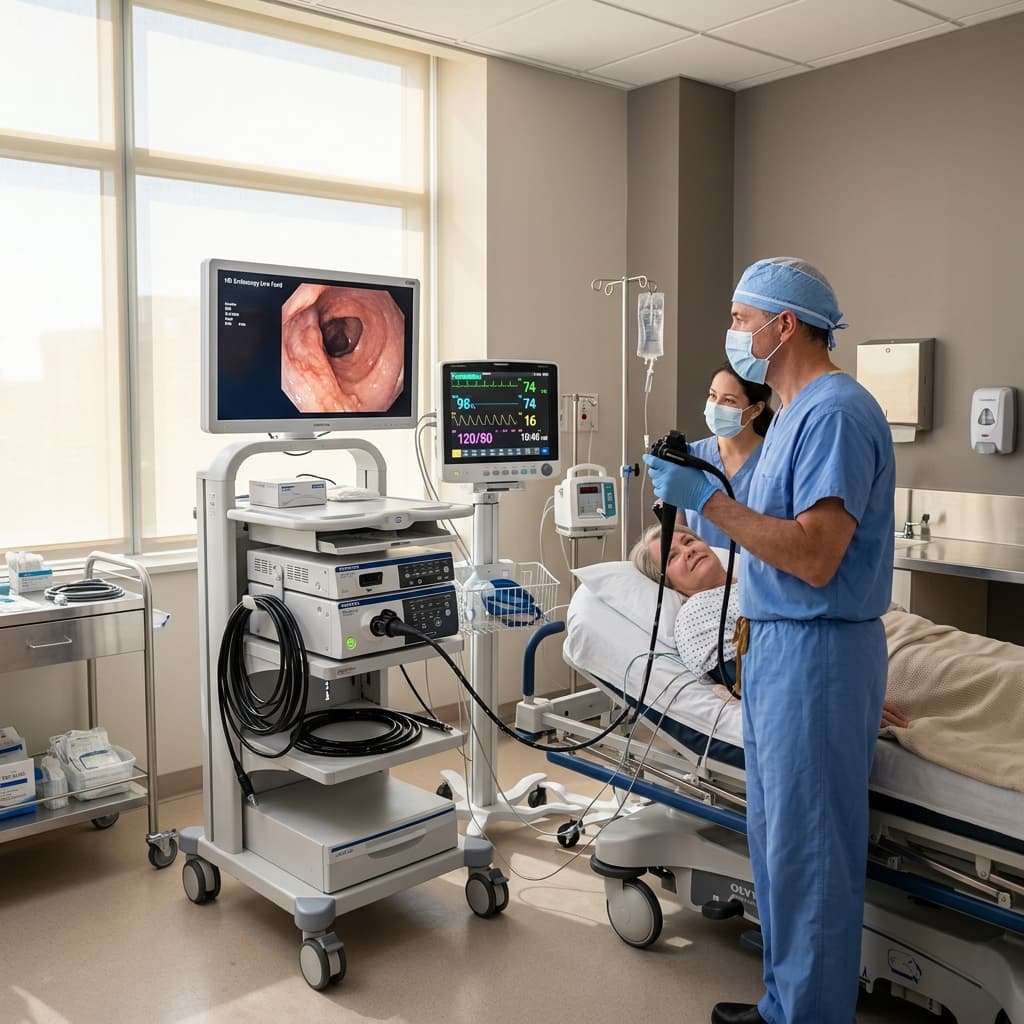
A colonoscopy is a safe, minimally invasive medical procedure that allows a doctor to examine the entire inside lining of the large intestine (colon) and the rectum. The procedure is performed using a specialized instrument called a colonoscope—a thin, flexible, lighted tube equipped with a tiny camera and light source. The colonoscope is inserted through the rectum and guided slowly through the colon, transmitting real-time high-definition video images to a monitor in the procedure room. This allows the doctor to check for abnormalities like inflammation, bleeding, ulcers, tissue growths (polyps), or early signs of cancer.
Why Do Doctors Recommend a Colonoscopy?
Gastroenterologists recommend a colonoscopy for two primary reasons: diagnostic evaluation and preventative screening.
Colorectal Cancer Screening
Colorectal cancer is one of the most common types of cancer worldwide, but it is also one of the most preventable. Most colon cancers start as small, non-cancerous clumps of cells called polyps. A routine screening colonoscopy can identify these polyps and remove them before they have a chance to turn into cancer. For individuals with no risk factors or family history, screening is generally recommended to start at age 45.
Investigating Gastrointestinal Symptoms
If you are experiencing persistent or unexplained digestive symptoms, a colonoscopy can help your doctor identify the root cause. These symptoms include:
- Blood in your stool or rectal bleeding.
- Unexplained changes in bowel habits, such as chronic diarrhea or persistent constipation.
- Unexplained weight loss or chronic fatigue.
- Persistent abdominal pain or cramping.
- Unexplained iron-deficiency anemia (low red blood cell count).
What Conditions Can a Colonoscopy Help Diagnose?
A colonoscopy provides highly detailed visualization that helps diagnose several gastrointestinal conditions:
- Colon Polyps: Small growths on the inner lining of the colon. While most polyps are benign, certain types (adenomas) have the potential to become cancerous over time. Removing them during the procedure (polypectomy) is the primary method of preventing colon cancer.
- Colorectal Cancer: Early-stage cancers can be detected, and tissue samples (biopsies) can be taken for pathological evaluation.
- Inflammatory Bowel Disease (IBD): Chronic inflammatory conditions of the digestive tract, including Ulcerative Colitis (which affects the colon and rectum) and Crohn's Disease (which can affect any part of the GI tract).
- Diverticulosis: The presence of small pouches (diverticula) that bulge outward through weak spots in the colon wall. If these pouches become inflamed or infected, the condition is called diverticulitis.
- Bleeding Lesions: Identifying bleeding sites caused by ulcers, abnormal blood vessels (angiodysplasia), or inflammation.
The "Before, During, and After" of a Colonoscopy
To help you understand the entire process, we have broken down the colonoscopy journey into three distinct phases: Before, During, and After.
Phase 1: Before the Procedure (Preparation and Diet)
The success and safety of a colonoscopy depend heavily on how clean your colon is. If the colon lining is not completely clear, the doctor may miss small polyps or abnormalities, and the procedure may have to be rescheduled. Bowel preparation is the process of emptying the colon using laxatives and diet modifications.
1. Dietary Adjustments
A few days before the procedure, you will be advised to avoid high-fiber foods, seeds, nuts, corn, and raw vegetables, as these can leave residue in the colon. On the day before the colonoscopy, you must transition to a clear liquid diet. This includes:
- Water, clear broths (chicken or vegetable).
- Clear juices (apple, white grape) without pulp.
- Sports drinks or electrolyte solutions.
- Clear gelatin (like Jell-O).
Crucial Rule: Avoid any liquids, sports drinks, or gelatins that are colored red or purple. The dyes can stain the colon walls and mimic blood or mask abnormalities during the examination.
2. Bowel Prep Solutions (Laxatives)
The night before and/or the morning of the procedure, you will drink a strong laxative solution prescribed by your doctor. This will trigger frequent, watery bowel movements to clear the colon. It is essential to stay near a restroom during this time. The bowel prep is complete when your stool is a clear, yellowish liquid, similar to urine.
3. Medication Adjustments
Discuss all medications you take with your gastroenterologist. You may need to temporarily adjust or stop taking blood thinners (such as aspirin, warfarin, or clopidogrel), iron supplements, or diabetic medications. Disclaimer: Readers must strictly follow their healthcare provider's specific preparation and medication instructions.
Phase 2: During the Procedure (What Happens on Procedure Day?)
On the day of your colonoscopy, you will arrive at the endoscopy suite at Medi Help Hospital. The process is designed to maximize patient comfort and safety:
Sedation and Anesthesia
An intravenous (IV) line will be placed in your arm. The doctor will administer a sedative or a combination of medications (conscious sedation or deep sedation) to help you relax and feel sleepy. Most patients fall asleep or enter a state of deep relaxation, experiencing no pain or discomfort during the procedure.
Navigating the Colonoscope
You will lie on your left side with your knees drawn up. The gastroenterologist will gently insert the lubricated colonoscope through the rectum and guide it slowly through the entire length of the large intestine. As the scope moves, the doctor pumps a small amount of carbon dioxide or air through the tube to inflate the colon, providing a clear view of the lining. If the doctor finds any polyps, they can remove them immediately using tiny loops or wire snares passed through the scope (polypectomy). Tissue samples (biopsies) of any suspicious areas can also be taken painlessly.
How Long Does It Take?
The colonoscopy procedure itself typically takes between 20 to 45 minutes. If several polyps need to be removed, it may take slightly longer.
Phase 3: After the Procedure (Recovery and Post-Care)
Once the colonoscopy is completed, you will be taken to a recovery area for 1 to 2 hours while the effects of the sedation wear off.
- Immediate Recovery: You may feel mild gas bloating or cramping as you pass the air introduced during the procedure. This is completely normal and passing gas is encouraged to relieve the discomfort.
- Dietary Progression: Once you are fully awake, you can usually start drinking liquids and transition back to a normal diet. Start with light meals to avoid upsetting your stomach.
- Activity Restrictions: Because of the sedatives, you will not be allowed to drive, operate machinery, or return to work for 24 hours. A responsible adult must accompany you home.
What Are the Possible Risks and Complications?
A colonoscopy is a very safe and routine procedure, but like any medical intervention, it carries some risks. Complications are rare, occurring in less than 1% of cases, and include:
- Bleeding: If a polyp was removed or a biopsy was taken, you may notice small amounts of blood in your first bowel movement. Serious, persistent bleeding is rare and can usually be managed endoscopically.
- Perforation: A rare but serious complication where the tip of the colonoscope makes a small tear or hole in the colon wall. This occurs in less than 1 in 1,000 cases and may require surgical repair.
- Adverse Reaction to Sedation: Temporary breathing difficulties or heart rate changes, which are closely monitored and managed by the healthcare team.
When to Call the Doctor Immediately
Contact your gastroenterologist or visit the nearest emergency department immediately if you experience any of these red flag symptoms after your colonoscopy:
- Severe, worsening abdominal pain or rigidity.
- A persistent high fever (above 100.4°F or 38°C) or chills.
- Heavy, continuous rectal bleeding (passing clots or bright red blood).
- Severe dizziness, fainting, or confusion.
Common Misconceptions About Colonoscopy
Misconception 1: "The procedure is painful."
*Fact:* Because patients receive sedation, the vast majority experience no pain during a colonoscopy and have little to no memory of the procedure itself.
Misconception 2: "I don't need a colonoscopy because I feel fine."
*Fact:* Polyps and early-stage colon cancer rarely cause symptoms. Screening is designed to detect and remove these growths before symptoms ever develop.
Misconception 3: "The bowel prep is impossible to drink."
*Fact:* While drinking the laxative solution is the most challenging part of the preparation, modern prep kits use smaller volumes of liquid or can be flavored to make them easier to consume.
Questions Patients Should Ask Their Doctor
Before undergoing a colonoscopy, consider asking your doctor:
- What type of sedation will I receive?
- Are there any specific medications I must stop taking before the procedure?
- How many colonoscopies do you perform regularly?
- What happens if you find and remove polyps?
- When will I receive my biopsy or pathology results?
Role of Dr. Vikas Sengar for Colonoscopy in Kanpur
When it comes to advanced gastrointestinal screenings and therapies in Kanpur, Dr. Vikas Sengar is a highly trusted name. With a DM in Gastroenterology from SGPGI Lucknow and over 10 years of clinical experience, Dr. Sengar provides comprehensive diagnostic and therapeutic colonoscopies at Medi Help Hospital, Sarvodaya Nagar, Kanpur.
Equipped with high-definition endoscopic imaging systems and a dedicated post-procedure recovery suite, Dr. Sengar and his team ensure that every patient receives personalized care, a thorough examination, and a safe, comfortable procedure. Whether you require a routine screening or diagnostic evaluation for digestive concerns, you can expect the highest standards of clinical excellence.
Frequently Asked Questions (FAQs)
Q1: How often do I need a colonoscopy?
For individuals at average risk with normal results, a screening colonoscopy is recommended once every 10 years starting at age 45. If polyps are found, or if you have a family history of colon cancer or IBD, your doctor may recommend more frequent testing (every 3 to 5 years).
Q2: Can I eat solid food the day before the colonoscopy?
No. You must follow a strict clear liquid diet for the entire day before your procedure. Eating solid food can leave residue in your colon, obstructing the doctor's view and potentially requiring a repeat procedure.
Q3: What is the cost of a colonoscopy in Kanpur?
The cost of a colonoscopy in Kanpur varies depending on the hospital facility, the type of sedation used, and whether therapeutic interventions like polyp removal (polypectomy) are performed. At Medi Help Hospital, we offer transparent pricing; please contact our billing desk for a detailed estimate.
Q4: How long after the colonoscopy can I eat normally?
Most patients can return to their normal eating habits within a few hours after the procedure, once the sedation has fully worn off. It is best to start with a light, non-greasy meal to ensure your stomach tolerates solid food well.
Q5: What is the difference between a sigmoidoscopy and a colonoscopy?
A sigmoidoscopy only examines the rectum and the lowest part of the colon (sigmoid colon), which is about the last two feet of the large intestine. A colonoscopy examines the entire length of the large intestine, providing a much more comprehensive screening.
Conclusion & Consultation
A colonoscopy is a powerful, life-saving preventative tool that allows for the detection and removal of precancerous polyps before they ever develop into colorectal cancer. If you are experiencing persistent digestive symptoms or are due for a routine age-based screening, book a consultation with Dr. Vikas Sengar for evaluation of digestive and liver-related concerns at Medi Help Hospital in Sarvodaya Nagar, Kanpur. To schedule your visit, call +91 98398 00199 or visit our online appointment booking portal.
Medical Disclaimer
This article is for informational purposes only and should not replace professional medical advice. Always consult with qualified healthcare providers for diagnosis and treatment recommendations specific to your condition.
Need Professional Advice?
If you have concerns about the topics discussed in this article, our experienced medical team is here to help with personalized care.
Key Takeaways
- A colonoscopy is a diagnostic and preventative procedure used to examine the lining of the large intestine.
- It is the gold standard for colorectal cancer screening, allowing the detection and removal of precancerous polyps.
- The preparation involves a clear liquid diet and a bowel prep solution to clean the colon.
- The procedure is performed under sedation, takes 20-45 minutes, and is generally painless.